Customer Experience 2025: Personalization Strategies That Drive Loyalty and Revenue

Beyond transactions to relationships: How hyper-personalization is redefining customer experience in late 2025
Introduction: The Personalization Imperative of Late 2025
As we approach the end of 2025, customer experience has evolved from a competitive advantage to a fundamental business requirement. With 92% of consumers expecting personalized interactions and 78% willing to share data for better experiences, brands that fail to deliver contextually relevant engagement risk losing customers to more agile competitors. The global customer experience management market has surged to $16.8 billion, reflecting the strategic importance of CX in driving revenue growth and customer loyalty.
This comprehensive analysis explores the state of customer experience in late 2025, examining how leading brands are leveraging advanced personalization, predictive analytics, and omnichannel integration to create seamless, emotionally resonant journeys. We'll move beyond basic segmentation to explore true one-to-one personalization at scale, examining both the technologies enabling this transformation and the human insights that make it genuinely effective.
"In late 2025, personalization isn't about using a customer's first name—it's about anticipating needs before they're expressed and creating experiences so relevant they feel almost intuitive."
1. The 2025 CX Landscape: Beyond Basic Personalization
Customer expectations have evolved dramatically, requiring sophisticated approaches that blend data, technology, and human understanding:
Predictive Personalization
AI models analyzing behavioral patterns to anticipate future needs, enabling proactive engagement that increases customer satisfaction by 43%.
Contextual Intelligence
Real-time understanding of customer context—location, device, time, emotional state—to deliver perfectly timed, relevant interactions across channels.
Emotional Engagement
Sentiment analysis and emotion AI creating experiences that resonate emotionally, building deeper connections beyond transactional relationships.
Journey Orchestration
Seamless integration across touchpoints, with each interaction informed by previous engagements and aligned with overall relationship goals.

From linear funnels to dynamic ecosystems: Mapping the modern customer journey in late 2025
2. Technology Enablers: The 2025 CX Tech Stack
Advanced technologies are making sophisticated personalization accessible and scalable:
Customer Data Platforms
Unified customer profiles aggregating data from all touchpoints, enabling single customer view and coordinated omnichannel experiences.
AI-Powered Analytics
Machine learning algorithms identifying patterns, predicting behaviors, and recommending optimal engagement strategies in real-time.
Conversational AI
Advanced chatbots and virtual assistants providing personalized support and recommendations through natural, context-aware conversations.
Real-Time Engagement
In-the-moment personalization engines delivering dynamic content, offers, and experiences based on immediate context and intent.
2025 CX Technology Adoption Metrics
| Technology | Enterprise Adoption | ROI Improvement | Implementation Time | Key Benefits |
|---|---|---|---|---|
| Customer Data Platforms | 74% | 41% | 3-6 months | Unified view, reduced data silos |
| Predictive Analytics | 68% | 52% | 2-4 months | Proactive engagement, churn reduction |
| Real-Time Personalization | 63% | 47% | 4-8 weeks | Contextual relevance, conversion lift |
| Conversational AI | 71% | 38% | 6-12 weeks | 24/7 support, cost reduction |
| Journey Orchestration | 58% | 44% | 4-7 months | Seamless experiences, increased loyalty |
3. Personalization in Action: Industry-Specific Applications
Different industries are applying personalization in unique, contextually relevant ways:
Retail & E-commerce
Dynamic pricing, personalized product recommendations, and AI-curated shopping experiences increasing average order value by 35% and reducing returns by 42%.
Financial Services
Personalized financial advice, predictive fraud alerts, and customized product offerings based on life stage and financial goals improving customer retention by 28%.
Healthcare
Personalized treatment plans, preventive care recommendations, and tailored communication improving patient outcomes and satisfaction scores by 37%.
Travel & Hospitality
Dynamic package creation, personalized itineraries, and context-aware recommendations increasing booking values by 31% and repeat business by 46%.
Media & Entertainment
AI-curated content recommendations, personalized discovery feeds, and adaptive streaming experiences increasing engagement time by 52% and subscription retention by 39%.
B2B & Enterprise
Account-based experiences, personalized content journeys, and tailored support reducing sales cycles by 27% and increasing customer lifetime value by 34%.

Tailored approaches: How different industries are implementing personalization to meet unique customer needs
4. Implementing Advanced Personalization: A Late 2025 Roadmap
Successfully implementing sophisticated personalization requires careful planning and execution:
Customer Understanding
Deep qualitative and quantitative research to understand customer needs, pain points, and emotional drivers beyond basic demographic data.
Journey Mapping
Comprehensive mapping of customer journeys across all touchpoints, identifying personalization opportunities and potential friction points.
Technology Integration
Selection and implementation of appropriate technologies, ensuring seamless data flow and integration with existing systems.
Measurement & Optimization
Establishment of KPIs and feedback loops to measure personalization effectiveness and continuously improve based on results.
Personalization Implementation Checklist
5. Ethical Personalization: Building Trust in 2025
As personalization becomes more sophisticated, maintaining customer trust requires careful attention to ethics:
Transparency & Control
Clear Communication: Explaining how personalization works and what data is used
Privacy Controls: Giving customers easy-to-use controls over their data and personalization preferences
Opt-In Approach: Making advanced personalization features optional rather than default
Data Usage Disclosure: Clearly stating how customer data is used and protected
Avoiding Manipulation
Ethical Boundaries: Establishing limits on how personalization can be used to influence behavior
Vulnerability Protection: Special safeguards for vulnerable customers or sensitive situations
Transparent Algorithms: Avoiding "black box" personalization that customers can't understand
Human Oversight: Maintaining human review of automated personalization decisions
Inclusive Personalization
Bias Detection: Regular audits of personalization algorithms for unintentional discrimination
Diverse Testing: Ensuring personalization works effectively across different demographic groups
Accessibility: Making personalized experiences accessible to customers with disabilities
Cultural Sensitivity: Accounting for cultural differences in personalization approaches
Value Exchange Balance
Mutual Benefit: Ensuring personalization provides clear value to customers, not just businesses
Proportionality: Matching personalization intensity to the value of the relationship
Context Appropriateness: Adjusting personalization based on situation and relationship stage
Permission Respect: Honoring customer preferences about communication frequency and style
6. Measuring CX Success: 2025 Metrics That Matter
Modern CX measurement goes beyond traditional satisfaction scores to capture holistic impact:
Emotional Connection Metrics
Measuring emotional responses, brand affinity, and relationship strength beyond transactional satisfaction.
Journey Health Indicators
Tracking completion rates, friction points, and satisfaction across entire customer journeys rather than isolated touchpoints.
Economic Value Measures
Calculating lifetime value growth, referral value, and cost reduction from improved experiences and loyalty.
Behavioral Engagement Signals
Monitoring engagement depth, interaction frequency, and advocacy behaviors that indicate strong relationships.
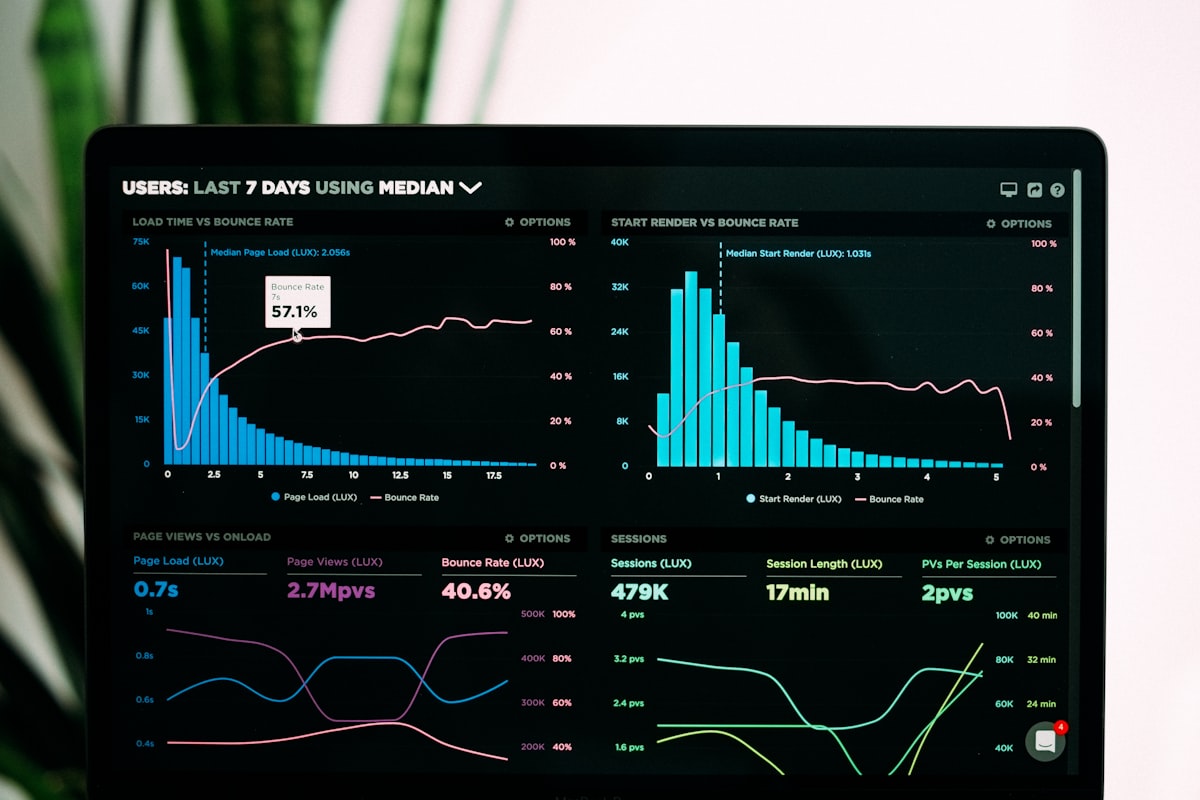
Holistic measurement: Moving beyond NPS to understand the complete impact of customer experience initiatives
7. Future of CX: Trends Beyond 2025
Current developments point to transformative capabilities on the horizon:
Predictive & Proactive CX
- AI anticipating customer needs before they arise
- Automated resolution of potential issues before customer impact
- Proactive recommendations based on life events and behavior patterns
- Predictive personalization adapting to forecasted future preferences
- Autonomous customer service resolving issues without human intervention
Immersive Experiences
- AR/VR creating personalized virtual brand experiences
- Haptic feedback adding physical dimension to digital interactions
- Spatial computing enabling context-aware experiences
- Multisensory personalization beyond visual and auditory
- Emotional AI adapting experiences based on detected emotions
Decentralized CX
- Customer data ownership through blockchain and self-sovereign identity
- Portable preferences and profiles across brands and platforms
- Customer-controlled personalization settings and permissions
- Interoperable experiences across ecosystem partners
- Transparent data usage with customer audit trails
Human-AI Collaboration
- AI augmenting human customer service capabilities
- Human oversight of automated personalization systems
- Blended experiences combining AI efficiency with human empathy
- AI-powered insights guiding human relationship building
- Collaborative intelligence maximizing strengths of both humans and AI
| Time Horizon | Key Developments | Customer Impact | Business Implications | Implementation Priority |
|---|---|---|---|---|
| Late 2025-2026 | Predictive personalization, emotional AI | More intuitive, anticipatory experiences | Increased loyalty, reduced service costs | High - Competitive necessity |
| 2027-2028 | Immersive experiences, decentralized data | More engaging, customer-controlled experiences | New revenue streams, trust advantage | Medium - Strategic differentiation |
| 2029-2030 | Full ecosystem integration, brain-computer interfaces | Seamless, almost telepathic experiences | Complete industry transformation | Future - Market redefinition |
Conclusion: Building Relationships, Not Just Transactions
As we approach the end of 2025, customer experience has fundamentally shifted from optimizing individual transactions to building lasting relationships through personalized, contextually relevant engagement. The most successful brands understand that personalization at scale isn't about technology alone—it's about combining data-driven insights with human understanding to create experiences that feel both individually tailored and genuinely authentic.
CX Personalization Readiness Assessment:
- Evaluate current customer data quality and integration
- Assess existing personalization capabilities and gaps
- Map critical customer journeys and pain points
- Review technology infrastructure and compatibility
- Analyze team skills and training needs
- Establish ethical guidelines and privacy safeguards
- Define success metrics and measurement approaches
- Develop phased implementation roadmap
Begin Your CX Transformation Journey Today
Elevating customer experience through advanced personalization begins with practical, achievable steps. Start with these concrete actions:
- Conduct customer journey mapping sessions to identify personalization opportunities
- Audit and consolidate customer data from all touchpoints and systems
- Start with pilot personalization initiatives in high-impact, low-risk areas
- Implement basic personalization capabilities before advancing to more sophisticated approaches
- Establish clear metrics to measure personalization effectiveness and ROI
- Develop ethical guidelines and governance for personalization initiatives
- Train teams on both the technology and human aspects of personalization
- Create feedback loops to continuously improve based on customer responses
Remember: The most effective personalization strategies balance technological sophistication with human empathy. In late 2025, customers don't just want brands to know them—they want brands to understand them and use that understanding to create value, build trust, and foster genuine relationships.


