AR/VR Revolution 2025: How Spatial Computing is Transforming Daily Life

The spatial computing revolution: AR/VR transforming work, education, and entertainment in 2025
Introduction: The Spatial Computing Tipping Point
2025 marks the year augmented and virtual reality transitioned from niche technologies to mainstream platforms, with the global AR/VR market reaching $58.1 billion. The convergence of lightweight hardware, 5G connectivity, and AI-powered spatial understanding has created an ecosystem where digital and physical worlds seamlessly merge. From smart glasses that overlay digital information onto our daily commute to VR workspaces that eliminate geographical barriers, spatial computing is fundamentally reshaping how we live, work, and interact.
This comprehensive analysis explores the current state of AR/VR technology, examines breakthrough applications across industries, and provides insights into the social and economic implications of widespread spatial computing adoption. We'll look beyond the hype to understand the practical realities of living in an increasingly augmented world.
"2025 isn't just about wearing headsets—it's about experiencing a persistent digital layer that enhances, informs, and transforms our reality in ways we're only beginning to comprehend."
1. Hardware Evolution: The 2025 AR/VR Ecosystem
The hardware landscape has matured significantly, moving beyond bulky headsets to sleek, all-day wearable devices:
Smart Glasses
Apple Vision Pro 2, Meta Ray-Ban 3, and Google's Project Iris offer prescription-ready, all-day wearable AR with 8-hour battery life and social acceptance.
Standalone VR
Meta Quest 4 and Pico 5 deliver 8K resolution, 200° field of view, and neural interfaces for intuitive control without controllers.
Mobile AR
iPhone 17 Pro and Android AR Core 6.0 enable sophisticated spatial computing through standard smartphones with LIDAR and advanced sensors.
Neural Interfaces
Neuralink's consumer product and CTRL-Labs technology enable thought-controlled navigation and haptic feedback through direct neural pathways.
From smart glasses to neural interfaces: The diverse hardware ecosystem powering spatial computing in 2025
2. Enterprise Applications: How Businesses Are Leveraging Spatial Computing
Spatial computing has moved beyond gaming to become essential enterprise tools:
Remote Collaboration
3D virtual workspaces with spatial audio and haptic feedback enable distributed teams to collaborate as if physically present, reducing travel costs by 40%.
Industrial Training
Hazardous environment simulations, equipment maintenance training, and safety protocols practiced in risk-free VR environments with 95% knowledge retention.
Retail & E-commerce
Virtual try-on, 3D product visualization, and augmented store navigation increasing conversion rates by 35% and reducing returns by 60%.
Healthcare & Medicine
Surgical planning with patient-specific 3D models, medical training simulations, and AR-assisted procedures improving outcomes by 27%.
2025 AR/VR Enterprise Adoption Metrics
| Industry | Adoption Rate | Primary Use Cases | ROI Improvement | Implementation Timeline |
|---|---|---|---|---|
| Manufacturing | 78% | Training, maintenance, design | 42% faster training | 3-6 months |
| Healthcare | 65% | Surgical planning, medical education | 31% better outcomes | 6-12 months |
| Education | 58% | Immersive learning, virtual labs | 45% engagement increase | 2-4 months |
| Retail | 72% | Virtual try-on, store navigation | 38% higher conversions | 1-3 months |
| Real Estate | 83% | Virtual tours, space planning | 51% faster sales | 1-2 months |
3. Social & Cultural Impact: The New Digital Reality
Spatial computing is reshaping social interactions, entertainment, and cultural experiences:
Social VR Platforms
Horizon Worlds, VRChat, and Spatial.io host persistent virtual communities where avatars express emotions through facial tracking and body language.
Immersive Entertainment
Interactive films where viewers become characters, 360° concerts with spatial audio, and location-based VR experiences blending physical sets with digital effects.
Digital Tourism
Visit historical sites with period-accurate reconstructions, explore natural wonders with expert guides, or attend global events remotely with front-row presence.
Augmented Learning
Interactive textbooks with 3D models, historical reenactments, and complex concept visualization making abstract subjects tangible and memorable.
Accessibility Tools
AR navigation for visually impaired, sign language translation in real-time, and environmental modifications for neurodiverse individuals.
Fitness & Wellness
Immersive workout environments, meditation journeys with biofeedback, and physical therapy with motion tracking and progress visualization.

Virtual communities and immersive experiences: Redefining social interaction and entertainment
4. Development Ecosystem: Building for Spatial Computing
The tools and platforms for creating AR/VR experiences have matured significantly:
Development Platforms
Unity 2025, Unreal Engine 6, and WebXR frameworks with built-in spatial computing capabilities and cross-platform deployment.
Content Creation Tools
Blender 4.0, Adobe Aero, and Reality Composer Pro enabling 3D modeling, animation, and spatial design without coding expertise.
Spatial Services
ARKit 7, ARCore 6, and Azure Spatial Anchors providing persistent AR experiences, object recognition, and multi-user synchronization.
Distribution Platforms
Meta Quest Store, Apple Vision App Store, and SteamVR offering monetization, analytics, and discovery for spatial computing experiences.
Getting Started with Spatial Development
5. Ethical Considerations & Digital Wellbeing
As spatial computing becomes ubiquitous, important ethical questions emerge:
Privacy & Data Security
Biometric Data: Eye tracking, facial expressions, and physiological responses collected by headsets require strict privacy controls
Spatial Mapping: 3D scans of homes and workplaces need encryption and user control
Behavioral Analytics: Attention monitoring and emotional responses must be anonymized and opt-in
Digital Addiction & Reality Blur
Usage Guidelines: Recommended daily limits and mandatory breaks for extended VR use
Reality Anchors: Clear distinctions between augmented information and physical reality
Content Ratings: Age-appropriate experiences with intensity warnings and content filters
Accessibility & Digital Divide
Cost Barriers: High-quality hardware remains expensive, risking socioeconomic divides
Physical Accessibility: Motion-based interfaces must accommodate diverse physical abilities
Cultural Representation: Global perspectives in content creation and interface design
Regulatory Framework
Content Moderation: Standards for virtual harassment, hate speech, and digital property rights
Safety Standards: Physical safety guidelines for movement in mixed reality environments
Interoperability: Open standards for cross-platform compatibility and data portability
6. The Future of Spatial Computing: 2026 and Beyond
Current trends point to several transformative developments on the horizon:
Neural Interfaces
Direct brain-computer interfaces eliminating controllers entirely, enabling thought-based navigation and emotion-driven experiences by 2027.
Persistent AR
Digital information permanently anchored to physical locations, creating shared augmented layers of reality accessible by authorized users.
AI Companions
Personal AI assistants with persistent visual presence in AR, providing context-aware assistance throughout daily activities.
Haptic Reality
Full-body haptic suits and gloves providing realistic touch feedback, temperature sensation, and physical resistance in virtual environments.

The convergence of AI, neural interfaces, and spatial computing: Redefining human-computer interaction
7. Getting Started: Your Spatial Computing Journey
Entering the world of spatial computing is more accessible than ever in 2025:
For Consumers
- Start with smartphone AR apps (IKEA Place, Google Lens)
- Try entry-level VR (Meta Quest Lite, used Quest 3)
- Explore social VR platforms (Rec Room, VRChat)
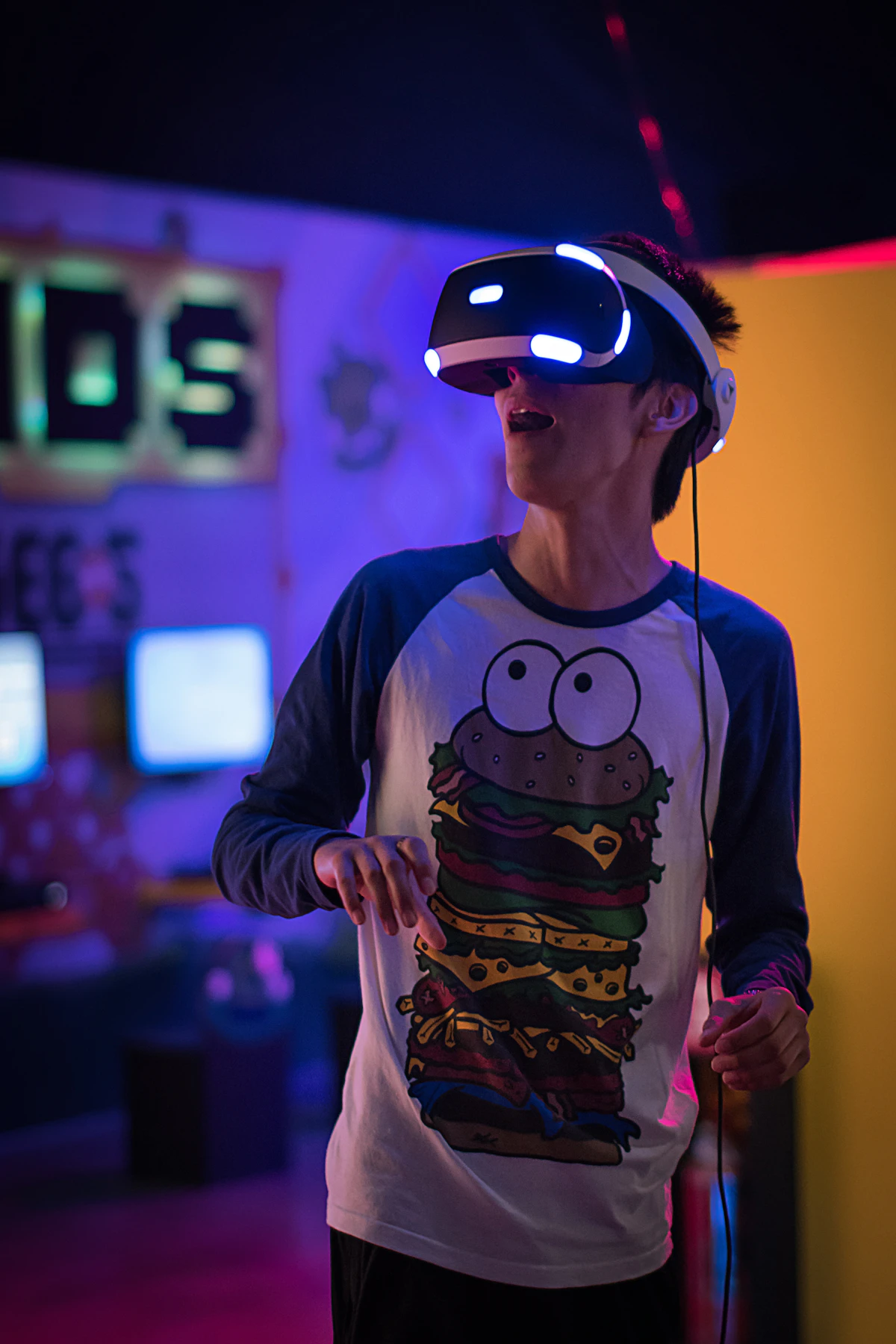
- Attend VR arcades for premium experiences
- Join AR/VR communities and events
For Developers
- Learn Unity or Unreal Engine basics
- Complete XR development courses (Udemy, Coursera)
- Build simple AR apps with WebXR
- Join game jams and hackathons
- Contribute to open-source XR projects
For Businesses
- Conduct AR/VR opportunity assessment
- Pilot simple applications (virtual tours, training)
- Partner with XR development agencies
- Train existing staff in spatial computing
- Develop long-term XR strategy
For Educators
- Integrate VR field trips into curriculum
- Use AR for interactive textbooks
- Create immersive historical experiences
- Teach 3D modeling and spatial design
- Partner with XR educational platforms
| Entry Point | Hardware Cost | Learning Curve | Best For | Next Steps |
|---|---|---|---|---|
| Smartphone AR | $0 (existing phone) | Low | Casual exploration | Try AR apps, learn WebXR |
| Standalone VR | $299-$799 | Medium | Gaming, social VR | Join VR communities |
| Smart Glasses | $699-$3,499 | Low | Productivity, AR | Professional use cases |
| PC VR | $1,500-$3,000+ | High | Development, high-end experiences | Learn Unity/Unreal |
Conclusion: Living in an Augmented World
The AR/VR revolution of 2025 represents more than technological advancement—it signifies a fundamental shift in how we perceive and interact with reality. Spatial computing is transitioning from isolated experiences to persistent digital layers that enhance our physical world, augment our capabilities, and connect us in ways previously confined to science fiction.
Spatial Computing Readiness Checklist:
- Evaluate personal or business use cases
- Research appropriate hardware options
- Explore existing platforms and communities
- Consider privacy and digital wellbeing practices
- Identify training or development resources
- Set realistic expectations and goals
- Plan for ongoing learning and adaptation
- Stay informed about emerging standards
Begin Your Spatial Computing Journey Today
Don't wait for the future—participate in creating it. Start exploring spatial computing with these practical steps:
- Download AR apps on your smartphone and experience basic augmentation
- Visit a VR arcade or friend with VR equipment for firsthand experience
- Follow AR/VR developers and thought leaders on social media
- Experiment with free development tools like Unity or Blender
- Identify one practical application for your work or personal life
- Join online communities discussing spatial computing ethics and best practices
- Attend virtual conferences or meetups in VR platforms
- Consider how spatial computing might enhance your existing skills or business
Remember: The most transformative applications of spatial computing haven't been invented yet. By engaging with this technology today, you're not just preparing for the future—you're helping to shape it.

